5 Signs It's Time to Get Your Hearing Checked
Hearing loss rarely happens all at once. It usually changes so slowly that you adjust without realizing it—turning the TV up a little, leaning in closer, or choosing the quieter restaurant.
And hearing problems aren’t always about volume. Sometimes you can hear someone talking but still have trouble understanding what they said.
Here are five signs it’s time to get your hearing checked by a Doctor of Audiology.
1. You Ask People to Repeat Themselves
An occasional “what?” is normal. But if you regularly ask people to repeat themselves—or find yourself nodding along when you didn’t quite catch what was said—it may be time to check your hearing.
2. Everyone Seems to Mumble
If it seems like everyone around you has started mumbling, the problem may not be them.
Many common types of hearing loss affect higher-pitched sounds first. These include many of the consonants that make speech clear. That means you may hear someone’s voice but miss enough pieces to have trouble understanding the words.
3. Background Noise Wears You Out
Restaurants, parties, family gatherings, and conversations in the car are harder listening situations than talking with one person in a quiet room.
If you have to work hard to follow conversations, feel tired after social events, or start avoiding noisy places because hearing is difficult, it’s time to find out why.
4. The TV or Phone Keeps Getting Louder
Does your family keep telling you the TV is too loud? Have you slowly turned up the volume on your phone? Are you using captions more often?
These don’t prove you have hearing loss, but they’re good reasons to have your hearing checked.
5. You Notice Ringing in Your Ears
Ringing, buzzing, hissing, or other sounds in your ears are called tinnitus. Tinnitus often occurs along with hearing loss, although there are many possible causes.
If your tinnitus is new, persistent, or bothersome, tell your audiologist. There are also evidence-based ways to help make tinnitus less noticeable and easier to manage.
What Happens During a Hearing Test?
A hearing test is comfortable, does not hurt, and usually takes about an hour.
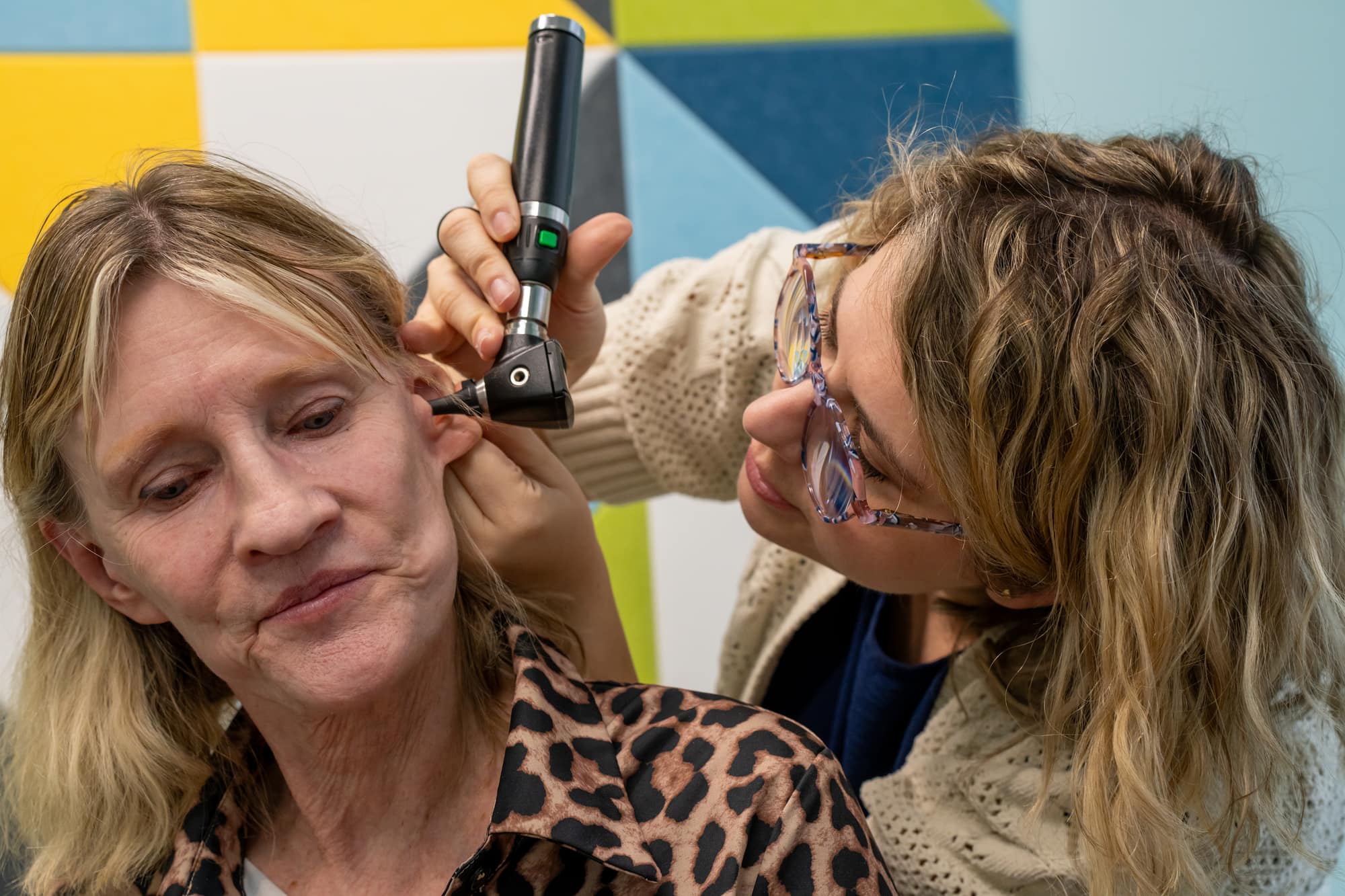
Your audiologist will ask about your hearing and where you’re having trouble. We’ll look in your ears, check how well you hear different sounds, and measure how clearly you understand speech. Other testing may be recommended based on your symptoms and results.
Then we’ll explain what we found in plain language and talk about what, if anything, should happen next.
Sometimes we find hearing loss that should be treated. Sometimes hearing is normal even though listening is still difficult. And sometimes everything looks good and we simply recommend checking your hearing again in the future.
What If I Haven’t Noticed a Problem?
You don’t have to wait until you’re struggling to check your hearing.
Current clinical guidelines recommend hearing screening beginning at age 50. If a screening suggests possible hearing loss, a full hearing test is the next step.
You should also have your hearing checked if you notice a change in your hearing, have tinnitus, or have other concerns about your ears or hearing. People with a history of significant noise exposure or other hearing-related risk factors may benefit from being checked sooner.
Frequently Asked Questions
How often should I have my hearing tested?
It depends on your hearing and your individual risk factors. Hearing screening is recommended beginning at age 50. If you already have hearing loss or notice a change in your hearing, your audiologist can recommend how often you should be tested.
Does a hearing test hurt?
No. Hearing testing is comfortable and non-invasive. You’ll listen to different sounds and words and let us know what you hear. There are no needles or uncomfortable procedures.
Guidelines and Trusted Information
- Plain Language Summary: Age-Related Hearing Loss (AAO-HNS, 2024)
The patient companion to the national guideline, written for adults 50+ and their families.
- ENThealth.org (AAO-HNS consumer site)
General ear and hearing health information.
- NIDCD: Age-Related Hearing Loss
Plain-language information from the National Institutes of Health.
- NIDCD: Noise-Induced Hearing Loss
Plain-language information from the National Institutes of Health.
- NIDCD: Tinnitus
Plain-language information from the National Institutes of Health.
- USPSTF: Screening for Hearing Loss in Older Adults (2021)
Explains why the Task Force found the evidence insufficient to recommend for or against screening adults 50+ who haven’t noticed a problem.
Check Your Hearing at Home
- The National Hearing Test
An independent, scientifically validated screening developed with NIH funding; AARP members can take it free once a year by phone, computer, or mobile device.
- hearWHO app (World Health Organization)
A free iOS/Android app that uses digits-in-noise testing, stores your results, and lets you track your hearing over time.
- hearingnumber.org
A smartphone tool for tracking your hearing over time.
- ASHA Hearing Screener
A quick pass/fail screen for adults 18+; a fail or any ongoing concern means you should see an audiologist for full testing.
Related at Sounds of Life
Recognize any of these signs?
Scheduling a hearing evaluation is simple, and it is the only way to know for sure. Our Painesville audiologists are here to help.